

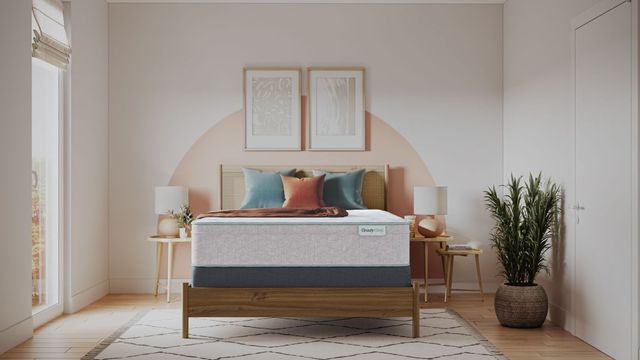
The dog has wedged himself lengthwise between your knees again, your partner is starfished across the middle, and you are hanging onto maybe eight inches of mattress with one arm dangling off the edge. A tape measure has been sitting on the dresser for two weeks because nobody in the house is confident a bigger bed clears the bedroom door, never mind the turn at the top of the stairs. That standoff is where most queen vs king mattress decisions stall out, and it usually has nothing to do with comfort. It comes down to whether the larger bed fits the room, fits the doorway, and fits the budget once bedding and a new base get added in.
Lie Down on Both Sizes Before You Commit
Compare queen and king mattresses side by side in our showroom, then let our delivery team handle setup and old mattress removal. Financing is available, and local service means a real person answers when you call.
The reassuring part is that this is a measurable decision rather than a guessing game, and the tape measure on your dresser is most of the answer already. Appliance Center is an independent appliance and mattress retailer, and our team walks shoppers through this exact comparison constantly, which is why we would rather hand you the numbers than a sales pitch. This guide covers the exact dimensions of each size, how much room each one really needs after clearance, how much sleeping width each person actually gets, the full cost gap across mattress, base and bedding, the California king and split king alternatives, and a short checklist for making the call.
Key Takeaways
- A king is wider, not longer: A queen measures 60 by 80 inches and a king measures 76 by 80 inches, so a king adds 16 inches of width and zero inches of length. Tall sleepers gain nothing in legroom by sizing up.
- Each sleeper gains about 8 inches: Two adults on a queen get roughly 30 inches apiece, about the width of a crib mattress. On a king, each person gets 38 inches, the same width as a twin XL.
- Room math beats wishful thinking: A queen suits a bedroom around 10 by 10 feet, while a king wants closer to 12 by 12 feet once you leave 24 to 30 inches of walking clearance on each open side.
- The mattress price is not the price: Sizing up also means a new foundation, a frame with center support, king sheets, a king comforter, and a second pillow across the width.
Queen vs King Mattress Dimensions: The Exact Numbers
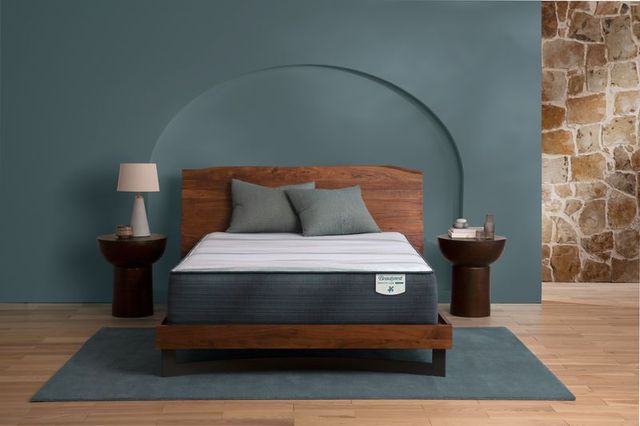
A standard queen mattress measures 60 inches wide by 80 inches long. A standard king mattress measures 76 inches wide by 80 inches long. The king is 16 inches wider, and both sizes are exactly the same length.
Turn that into surface area and the gap gets easier to picture. A queen gives you roughly 4,800 square inches of sleeping surface. A king gives you about 6,080 square inches, which is close to 27 percent more room to work with. All of that extra space arrives across the width of the bed.
The Same-Length Fact Most Shoppers Miss
Here is the single most common point of confusion in the queen vs king mattress comparison. A king is not longer than a queen. If your feet hang off the end of your current bed, moving to a standard king changes nothing about that, because you are still lying on 80 inches.
The size that adds length is the California king at 72 inches by 84 inches. Anyone taller than roughly six feet two inches should be looking at a California king, or at a mattress line that offers a longer build, rather than assuming a king solves overhang. Foot overhang is a length problem, and only length fixes it.
Small Variances and Bed Height
Mattress sizes are standardized, but not to the millimeter. It is normal for a mattress to run an inch narrower or longer than the published spec depending on the manufacturer and the cover construction. That variance almost never affects whether a bed fits a room, though it can affect how snugly a fitted sheet grips.
Thickness is the spec people forget to check at all. Profile height ranges widely, from around 11 inches on an entry-level build to 16 inches or more on a deep pillow top, and that number determines both how high the bed sits and whether standard-pocket sheets will stay on. Measure the mattress depth before you buy sheets, not after.
Read more:
- Best Furniture for a Small Living Rooms: 7 Top Picks
- Top Furniture and Mattress Trends to Upgrade Your Home Comfort
Will It Fit? Room, Doorway, and Clearance Math Before You Buy
A queen generally works well in a bedroom around 10 feet by 10 feet. A king generally wants about 12 feet by 12 feet to feel right rather than cramped. Treat those as comfort minimums instead of hard rules, because a king can physically fit a smaller room, it just stops feeling like a bedroom and starts feeling like a mattress with walls around it.
The clearance rule is what drives those numbers. Aim for roughly 24 to 30 inches of walking space on each open side of the bed and at the foot. That is the width you need for dresser drawers to open, closet doors to swing, and a nightstand to sit next to the bed without turning the walk to the bathroom into a shuffle.
Measure the Whole Bed, Not Just the Mattress
The mattress footprint is only part of what lands in your room. A frame or platform typically adds an inch or two on each side, a headboard eats four to six inches of depth against the wall, and nightstands add their own width.
Run the numbers on a king with two nightstands. Seventy-six inches of mattress, plus a frame, plus two 18-inch nightstands, and you are past nine feet of wall consumed before anything else goes in the room. On a 10-foot wall, that leaves nothing.
The Access Problem Nobody Warns You About
A one-piece king is a large, mostly rigid object that has to physically reach your bedroom. Before you order, measure three things: the narrowest doorway on the path, the hallway width at any turn, and the stairwell landing where the mattress has to pivot. Tight second-floor turns and older homes with narrow stairs are where king deliveries go sideways.
Two things solve access problems a one-piece king cannot. A split king arrives as two twin XL pieces at 38 inches wide each, which turns corners easily. Some foam models arrive compressed, though a compressed mattress still needs floor space to expand once it is unboxed.
Here is a self-check you can run tonight. Tape a 76 inch by 80 inch rectangle on your bedroom floor, leave it there for a day, and walk the room as you normally would. If you clip a corner of the tape every time you head for the closet, you have your answer, and it cost you nothing. A visit to our showroom answers the scale questions a spec sheet cannot, and our team can translate your room measurements into a size recommendation while you are standing there.
How Much Room Each Sleeper Really Gets on a Queen vs a King
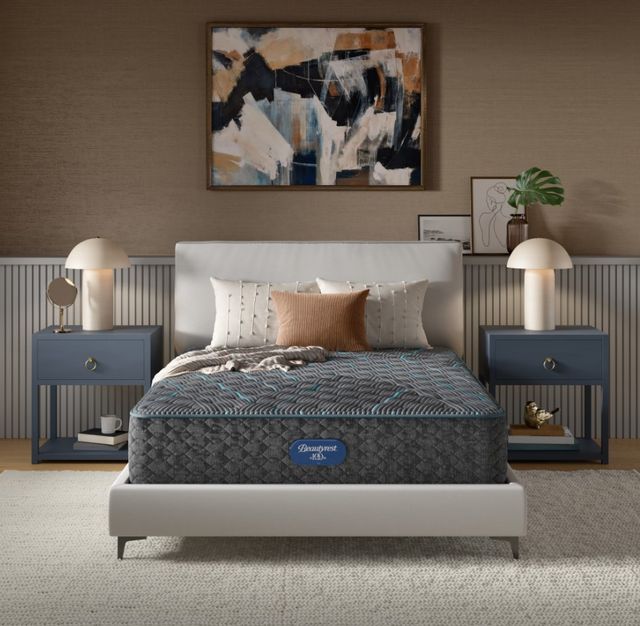
Width per person is the number that changes minds, and it is simple division. Two adults sharing a queen get about 30 inches each. Two adults sharing a king get about 38 inches each.
Now make those numbers real. Thirty inches is roughly the width of a crib mattress, which means two grown adults on a queen are each sleeping on a crib-width strip. Thirty-eight inches is exactly the width of a standard twin, so a king effectively gives each person their own twin bed pushed together.
Who Feels the Extra 8 Inches Most
That 8 inch per-person gain does not land equally for everyone. It matters most for:
- Broad-shouldered or taller sleepers who run out of room at the shoulder before anywhere else.
- Restless and combination sleepers who change position several times a night.
- Sprawlers, including anyone who sleeps with an arm or leg thrown across the middle.
- Couples on opposite schedules, where one person is getting in or out while the other is asleep.
- Anyone regularly sharing the bed with kids or pets.
Pets, Kids, and the Middle of the Bed
This is the honest driver behind most upgrades, and it deserves a straight answer. A medium or large dog stretched across the foot of a queen takes roughly a foot of usable length away from both people. A cat parks in the exact center by design.
Add a toddler who arrives at 5 a.m. during a thunderstorm and a queen stops working for the rest of the night. The same goes for temporary stretches like late pregnancy or recovery from surgery, when one person needs a wall of pillows and the other still needs to sleep.
Width Alone Does Not Stop Disturbance
Sizing up helps, but it does not solve partner disturbance by itself. Motion isolation is what determines whether your partner rolling over registers on your side of the bed, and that comes from construction rather than square inches. Individually wrapped pocketed coils and foam absorb movement locally, while older interconnected coil systems pass it across the whole surface.
Edge support matters just as much for usable space. A reinforced perimeter lets you sleep closer to the side without feeling like you are about to roll off, which effectively widens the bed you already own. Coil gauge, foam density, and firmness all feed into this. A king with poor motion transfer will still wake a light sleeper at 3 a.m.
When a Queen Is the Smarter Buy
Competitors rarely say this out loud. If you sleep alone, a queen almost always gives you every inch you need, and the money that would have gone toward king width buys you a noticeably better mattress instead. A higher-quality queen with better coils, a real edge system, and a proper base beats a bargain king on almost every night of the year.
Queen vs King Mattress Comparison Chart
| Feature | Queen | King | California King | Split King |
|---|---|---|---|---|
| Width | 60 inches | 76 inches | 72 inches | 76 inches total |
| Length | 80 inches | 80 inches | 84 inches | 80 inches |
| Total Surface Area | About 4,800 square inches | About 6,080 square inches | About 6,048 square inches | About 6,080 square inches |
| Sleeping Width Per Person for Two Adults | About 30 inches | About 38 inches | About 36 inches | 38 inches each |
| Recommended Minimum Room Size | About 10 by 10 feet | About 12 by 12 feet | About 12 by 12 feet | About 12 by 12 feet |
| Best For | Solo sleepers and compact bedrooms | Couples wanting maximum width | Tall sleepers and long narrow rooms | Partners with different comfort needs |
| Bedding Size Needed | Queen sheets and comforter | King sheets and comforter | California king specific bedding | Twin XL sheets with king top bedding |
| Foundation or Base Options | One piece or low profile | Usually two split pieces | Usually two split pieces | Two twin XL bases |
| Typical Mattress Price Range | Lowest of the four sizes | Several hundred more than queen | Similar to king or slightly higher | Highest, two pieces plus two bases |
| Ease of Moving and Delivery | Manageable through most homes | Hardest single piece to maneuver | Hardest, and longer than a king | Easiest, two 38 inch pieces |
Read the table by profile rather than by row. A solo sleeper or a compact bedroom points to a queen, a couple with the floor space points to a king, height points to a California king, and mismatched comfort preferences point to a split king. Most of the queen vs king mattress decision comes down to which of those four sentences sounds like your house.
Budget the Whole Bed, Not Just the Mattress Price Tag
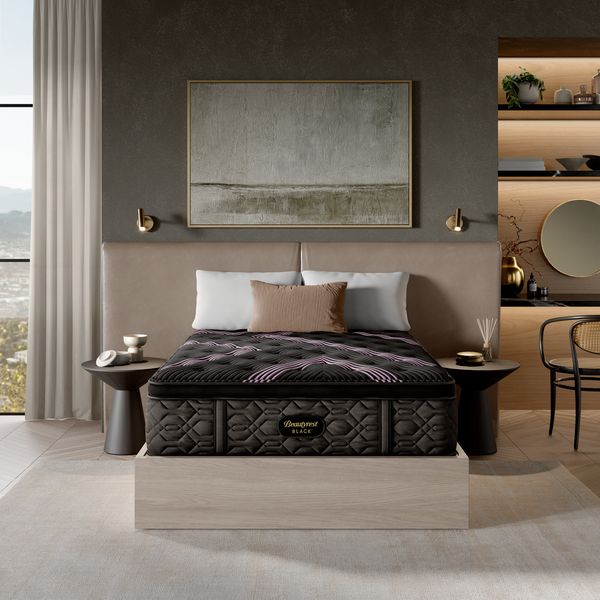
The mattress tag is the number people compare, and it is the smallest part of the real gap. Sizing up from a queen to a king touches almost every component of the bed, and a few of those components have to be replaced whether you like it or not.
Here is the full line-item list to price out:
- The mattress itself.
- The foundation or box spring, which cannot be reused across sizes.
- The bed frame or platform, including center support.
- The headboard, if you want it to match the new width.
- A mattress protector in the new size.
- Sheet sets, including deep-pocket sheets if the mattress is thick.
- A comforter or duvet plus a duvet cover.
- Quilts, coverlets, and decorative layers.
- Pillows, since a king usually needs two king pillows or two standard pillows across the width.
The Bedding Facts Shoppers Get Wrong
King bedding is its own size and its own price, not a queen set stretched a little further. A queen comforter on a king bed hangs about eight inches short on each side, which reads as undersized the moment you look at it. Budget for a complete replacement set rather than a partial one.
California king bedding is a separate cut again. Some brands make king and California king sheets to different dimensions, so the two are not interchangeable, and a package labeled king will not fit a California king properly. Check the tag, not the shelf label.
The Base Detail That Surprises Buyers
A king foundation almost always ships as two matching split pieces rather than one, which is good news for stairwells and awkward news for anyone expecting a single box. A king platform frame typically needs a center support rail with its own legs to the floor, plus additional slats, because the extra width and weight are carried in the middle where a queen frame has nothing.
That center support is also the professional detail worth writing down: most mattress manufacturers require a foundation or frame with center support running to the floor on queen and king sizes, and a decorative frame without it can void the warranty on a mattress that develops a sag two years later. Confirm the support requirement before delivery day rather than after a claim gets denied.
Delivery, Setup, and Running the Real Total
Delivery is a line item too, and it is a bigger one on a king because of the size and weight of the pieces. Our delivery team handles setup and old mattress removal, which takes the hauling problem and the disposal problem off your plate at the same time. That matters most when a bed has to go up a turning stairwell.
Build a simple two-column worksheet before you shop. List every component above, price the queen version and the king version side by side, then compare the totals rather than the mattress difference alone. While you are at it, ask about bundle pricing on a mattress, base and protector together, ask about financing, and time the purchase near a holiday mattress promotion if your schedule allows it.
Beyond Queen and King: California King, Split King, and Adjustable Bases
Two sizes is not actually the whole menu, and the alternatives solve problems that neither a queen nor a standard king handles well. Each one is worth understanding before you commit.
California King
A California king measures 72 inches by 84 inches. That is four inches narrower and four inches longer than a standard king, which makes it the size for tall sleepers and for long, narrow bedrooms where width is the constraint. Remember the bedding difference, because that is the one thing people forget until the sheets arrive.
Split King
A split king is two twin XL mattresses, each 38 inches by 80 inches, placed side by side to fill a standard king footprint. The benefits are concrete rather than theoretical:
- Each partner picks their own firmness, so a firm sleeper and a plush sleeper stop negotiating.
- Motion isolation is nearly total, because the two pieces are physically separate.
- Delivery gets dramatically easier, since each piece is only 38 inches wide.
- One side can be replaced or re-firmed later without buying an entire new bed.
How Split King Pairs With Adjustable Bases
Two twin XL pieces on two adjustable bases means each sleeper can raise the head or the foot independently. The uses people search for are specific: a raised head for snoring, a sustained incline for acid reflux, raised legs for circulation and swelling, zero-gravity positioning for back pain, and simply reading or watching television without a stack of pillows behind you.
The honest trade-offs come with it. There is a center gap where the two mattresses meet, which some people never notice and others feel immediately. A bridge pad or a split-top king design closes that gap, and bedding gets more complicated, usually twin XL fitted sheets with a king top sheet and comforter over the pair.
One more thing worth saying plainly. Adjustable bases are built in queen as well, so upgrading function does not require upgrading size, and split California king exists for tall couples who want independent positioning and length. Adjustable positions and the feel of a split king are almost impossible to judge from a product page, which is exactly the kind of thing to test lying down in our showroom.
Sizing up to a king is a genuine improvement in sleeping space and a genuine increase in total cost and floor space. The decision balances three things: how much room each person needs, how much room the bedroom has after clearance, and what the full bill looks like once the base and bedding are counted. What follows compares moving up to a king against staying with a queen.
Pros
More width for each sleeper
Each person gains about 8 inches, moving from crib-width to twin-width personal space, which is the single biggest reason couples upgrade.
Less partner disturbance
More distance between two bodies means less rolling into each other, and paired with good motion isolation it can end the 3 a.m. wake-ups entirely.
Room for pets and kids
A dog at the foot or a toddler in the middle stops costing both adults their sleeping space.
Better proportion in a large bedroom
In a primary bedroom of 12 by 12 feet or larger, a queen can look undersized against the wall while a king anchors the room.
Opens the split and adjustable path
King is the footprint that supports split king and dual adjustable bases, which is the only setup that gives two people fully independent comfort.
Cons
Higher total cost
The gap covers the mattress, a new foundation, a frame with center support, and a full set of king bedding, not just the mattress line item.
Bigger footprint and harder delivery
A king demands more floor clearance and has to clear doorways, hallway turns and stair landings as one large piece.
Stay with a queen if you sleep alone, if your bedroom is under about 11 feet in either direction, or if the extra budget would be better spent on a higher-quality mattress and a proper base. A well-built queen outperforms a cheap king every night of the week.
Read more:
- How to Choose the Best Home Appliances for Your Kitchen in 2026
- How to Choose Between a Front Door vs Top Door Washing Machine
Your Five-Question Decision Checklist for the Right Bed Size
Everything above collapses into five questions. Answer them in order and the size usually picks itself.
- Who sleeps here, including pets and kids who show up at night?
- How big is the room after you subtract 24 to 30 inches of clearance on each open side?
- How tall and how broad are the sleepers?
- What is the total budget across mattress, base, frame and bedding?
- Can a king physically reach the bedroom through your doors, halls and stairs?
If-Then Recommendations for Common Profiles
- Solo sleeper: stay with a queen and put the savings into mattress quality or an adjustable base.
- Couple in a compact bedroom: a queen with strong edge support gains you usable width without the floor space of a king.
- Couple with a dog or a young child: a king, and this is the profile that benefits most.
- Tall couple: a California king, because length is the thing a standard king does not add.
- Partners who want different firmness: a split king on two adjustable bases.
What to Actually Do During a Showroom Test
- Lie in your real sleeping position, with a pillow at the loft you actually use, for at least ten minutes.
- Roll over several times and get in and out of the bed the way you do at home.
- Have both partners lie down together, since a bed behaves differently under two bodies.
- Sit and lie on the edge to judge whether the perimeter holds you up.
Before any of that, measure the room, the doorway, the hallway turn and the stairwell one more time and bring the numbers with you. Getting the queen vs king mattress question right is mostly a matter of trusting a tape measure over a guess.
The Height Math Nobody Runs: Profile, Foundation, and How High the Bed Sits
Size gets all the attention, but total bed height decides how the bed feels every time you use it, and it is the easiest thing to get wrong when you change mattresses. Add the mattress profile, the foundation height and the frame height together to get your sleep surface height. For most adults the sweet spot is a surface that lands somewhere around 25 inches from the floor, high enough that your knees sit at roughly a right angle when you sit on the edge, low enough that you are not climbing. A 16.5 inch pillow top on a 9 inch foundation on a 7 inch frame lands well past 30 inches, which is a step up for a shorter sleeper and a genuine problem for anyone with a bad hip or knee.
Run these four checks before you finalize a mattress and base together:
- Add profile plus foundation plus frame, then compare the total to the height of your current bed so you know what is changing.
- Choose a low-profile foundation, usually around 5 inches instead of 9, when the mattress itself is thick.
- Match sheet pocket depth to the mattress profile, since deep-pocket sheets are needed once you pass about 14 inches.
- Check headboard height against the new stack, because a taller bed can leave the pillows sitting above the headboard.
Read more:
Shop Queen and King Mattresses at Appliance Center
Everything below is the queen side of this comparison, because queen is the size shoppers ask for most and it is what moves fastest for us. Most of these collections are also built in king, so check the individual product page or ask our team about king availability rather than assuming it. Three of the nine are foundations rather than mattresses, which matters here because moving up a size means replacing the base and the frame too, not just the sleep surface.
Serta 24” Waterfall 9” Queen Standard Foundation
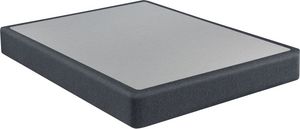
You found the mattress, and then you looked at the sagging box spring underneath it. This is the standard-profile answer at 9 inches, which is the traditional height that keeps a queen bed sitting where most people expect it to sit. Pair it with the height math above before you order, since profile plus foundation plus frame is what determines how the bed feels when you sit on the edge. Remember that a queen foundation does not carry over if you move up to a king later, which is part of the real cost gap.
Top Features
- Standard 9 inch profile: The traditional foundation height that keeps a queen at a familiar sit height.
- Queen footprint: Built to the 60 by 80 inch standard so the mattress sits flush with no overhang.
- Flat, even support surface: Gives the mattress uniform support, which is what manufacturers ask for in their warranty terms.
- Straightforward replacement: A direct swap for a worn box spring without changing your existing frame.
Beautyrest Harmony Lux Ocean View Island 13” Hybrid Firm Tight Top Queen Mattress
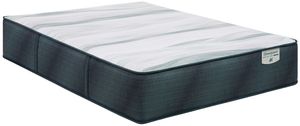
This one suits back and stomach sleepers who want a firm surface without giving up the airflow a coil unit provides. The hybrid build pairs a coil support system with foam comfort layers, so you get support from the springs and pressure relief from the material above them. A firm tight top keeps the surface flat and even rather than pillowed, which helps hips stay in line. At 13 inches it is a moderate profile, meaning standard-pocket sheets usually work and the bed does not sit unusually high once a foundation goes under it.
Top Features
- Hybrid construction: Coils handle support and airflow while the foam layers manage pressure relief.
- Firm tight top feel: A flat, even surface that keeps hips from sinking below the shoulders.
- 13 inch profile: Moderate height that works with standard-pocket sheets and typical foundations.
- Coil airflow: Air moves through a coil unit in a way it cannot move through a solid foam block.
Beautyrest Smart Base 2.0 Queen Adjustable Foundation
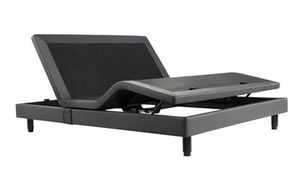
This is the piece that proves an upgrade in function does not require an upgrade in size. An adjustable foundation raises the head or the foot, which is what people are after for snoring, reflux, circulation, back pain, and reading in bed without a pillow tower. In a queen, both sleepers share one set of positions. The split king version of this idea uses two twin XL bases so each partner positions their own side independently, and that pairing is the reason split king exists at all.
Top Features
- Head and foot articulation: Raise either end for snoring, reflux, circulation, or reading comfortably in bed.
- Queen size functionality: Adds adjustability without moving up to a king footprint.
- Split king pathway: Two twin XL bases give each partner fully independent positioning.
- Works with compatible mattresses: Best paired with a mattress built to flex, which our team can confirm for your model.
Sealy StableSupport Queen Standard Foundation
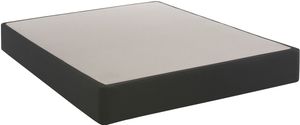
Buying a new mattress and reusing a tired foundation is how a good bed gets ruined early. This standard queen foundation is the base half of that pairing, built to give the mattress an even, stable platform across the full 60 by 80 inch footprint. Combine it with a frame that carries center support to the floor, which is the requirement most warranties spell out. If a king is in your future, plan on replacing this too, since king foundations typically arrive as two split pieces rather than one.
Top Features
- Even full-surface support: Distributes weight across the mattress instead of letting it dip in the middle.
- Standard queen sizing: Matches the 60 by 80 inch mattress footprint with no overhang.
- Pairs with center-support frames: Works with the frame setup manufacturers typically require on queen and king beds.
- Extends mattress life: A stable base is what keeps a new mattress from developing a premature sag.
Beautyrest Level Two 13.25” Pocketed Coil Extra Firm Tight Top Queen Mattress
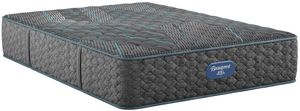
Stomach sleepers and anyone who wakes with a sore lower back on a soft bed should start here. Extra firm is the top of the firmness range, and the tight top keeps the surface flat so hips never sink below shoulder level. The pocketed coil system matters just as much for couples, because individually wrapped coils respond where the pressure lands instead of transferring movement across the whole bed. That is the construction detail that decides whether width alone fixes partner disturbance or not.
Top Features
- Extra firm support: The firmest feel in the lineup, aimed at stomach sleepers and lower-back complaints.
- Pocketed coil system: Individually wrapped coils keep one sleeper’s movement local instead of sending it across.
- Tight top surface: Flat and even, with no pillowed layer to let the hips drop.
- 13.25 inch profile: Middle-of-the-road height that pairs easily with a standard foundation.
Beautyrest Black Series 2 Pocketed Coil 16.5” Medium Pillow Top Queen Mattress
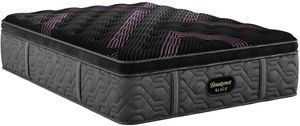
When two people differ noticeably in body weight, depth is what saves the arrangement, and this is the deepest build here at 16.5 inches. A heavier sleeper has real material to compress through before reaching the support core, while a lighter partner still gets contouring at the surface. Medium with a pillow top is the shared comfort window most couples land in, plush enough for a side sleeper’s shoulder and supportive enough for a back sleeper. Check your sheet pocket depth at this profile, since deep-pocket sets are usually required.
Top Features
- 16.5 inch profile: The deepest build in this group, which helps when partners differ in weight.
- Medium pillow top feel: Surface softness for side sleepers with support underneath for back sleepers.
- Pocketed coil support: Coils respond independently across the width for better motion isolation.
- Premium tier construction: The top-of-the-line option here for shoppers prioritizing feel over budget.
BeautySleep Dream Weaver 11.5” Pocketed Coil Firm Tight Top Queen Mattress
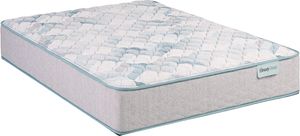
Guest rooms, first apartments, a kid moving up from a twin, and budgets that need to cover a base and bedding too. This is the entry point of the lineup, with a firm tight top surface and a pocketed coil system rather than a bonded spring unit. At 11.5 inches it is the slimmest profile here, which keeps the bed lower and works with ordinary standard-pocket sheets. If you are the solo sleeper we mentioned earlier, this is a reasonable way to keep the queen and spend elsewhere.
Top Features
- Entry-level pricing tier: The most budget-friendly mattress in this group without dropping to a bonded coil unit.
- Firm tight top: A flat, supportive surface that suits back and stomach sleepers.
- 11.5 inch profile: The slimmest build here, so standard-pocket sheets fit without a struggle.
- Pocketed coils: Wrapped coils still deliver motion isolation at this price point.
Sealy Posturepedic Pro DuPont II Wrapped Coil 15” Medium Euro Pillow Top Queen Mattress
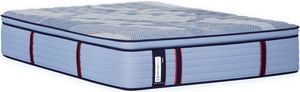
Couples staying with a queen should look hard at this one, because a Euro pillow top is stitched flush to the edge rather than pillowed on top of it. That construction pushes usable sleeping surface closer to the perimeter, which is exactly what you want when two adults are already dividing 60 inches between them. Medium is the shared comfort window, and the wrapped coil unit keeps one person’s movement from crossing the bed. At 15 inches, plan on deep-pocket sheets.
Top Features
- Euro pillow top design: Stitched flush to the edge to widen the usable sleeping surface on a queen.
- Medium firmness: Lands in the range that works for side and back sleeper pairings.
- Wrapped coil support: Individually encased coils limit motion transfer between partners.
- 15 inch profile: Substantial comfort layers, so match sheet pocket depth accordingly.
Serta Perfect Sleeper X Lexton 14.25” Hybrid Medium Quilted Pillow Top Queen Mattress
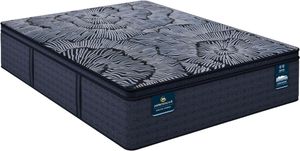
Combination sleepers who change position several times a night do best on a responsive surface, and that is where a hybrid earns its keep. Coils underneath give the bed rebound so you are not fighting your way out of a hole every time you turn, while the quilted pillow top adds cushioning at the surface. Medium keeps it in the range most couples can share. At a 14.25 inch profile it sits between the slim and deep options here, so check total bed height against your frame before ordering.
Top Features
- Hybrid coil and foam build: Coil rebound suits combination sleepers who change position often.
- Quilted pillow top: Cushioning stitched into the cover for surface comfort without extreme softness.
- Medium firmness: The most widely shareable feel for couples with different positions.
- 14.25 inch profile: A middle-depth build to factor into your total bed height math.
Compare sizes side by side in our showroom before you decide, and bring your room measurements with you. Our team can tell you which of these collections is available in king, walk you through foundation and frame requirements, and set up delivery with old mattress removal so the old bed leaves the same day the new one arrives.
Compare Queen vs King Mattress Options in Person and Sleep Better Tonight
The short version is this: a king adds 16 inches of width and about 8 inches of personal space per sleeper, a queen fits smaller rooms and smaller budgets while leaving room in the budget for a better mattress, and both sizes are exactly 80 inches long. The queen vs king mattress decision is really a room-and-budget decision wearing a comfort costume, and a tape measure settles most of it.
Come lie down on both. At Appliance Center, you can compare sizes and firmness levels in person, test an adjustable base instead of imagining it, and get straight answers from people who sell these beds every day rather than a chat window. Our delivery team handles setup and old mattress removal, we know how to get a large mattress through a tight stairwell, financing is available, and local service means the people who sold you the bed are the same people who take the call two years from now. Bring your room dimensions, or send them to our team ahead of time, and we will tell you honestly which size belongs in that room.
Frequently Asked Questions about Queen vs King Mattress Sizes
A king mattress is 16 inches wider than a queen, measuring 76 inches across compared to 60 inches. Both sizes are 80 inches long, so all of the added space comes in width rather than length.
A king is worth it for couples who share the bed with pets or children, sleep restlessly, or have a bedroom of at least 12 by 12 feet. For a solo sleeper or a compact room, that money usually buys more comfort when it goes toward mattress quality instead of extra width.
A king bed generally needs a bedroom of about 12 feet by 12 feet to feel comfortable rather than crowded. That allows roughly 24 to 30 inches of walking clearance on each open side plus space for nightstands and dresser drawers to open.
Queen is the most common size for couples, largely because it fits typical bedroom dimensions and costs less across mattress, base and bedding. Couples move up to a king mainly for pets, children, restless sleep, or a significant height or width difference between partners.
A standard king is 76 by 80 inches while a California king is 72 by 84 inches, so the California king trades four inches of width for four inches of length. That makes it the better choice for sleepers over roughly six feet two inches and for long, narrow bedrooms.
Two twin XL mattresses side by side make a king, measuring 76 inches wide by 80 inches long in total. That configuration is called a split king, and it lets each partner choose their own firmness and their own adjustable base position.
Why Trust Appliance Center?
Appliance Center is a trusted destination for quality home solutions, offering top appliances, mattresses, and furniture to help you upgrade every room in your home. Our commitment is simple: deliver reliable products, competitive pricing, and exceptional customer service.
Shop Furniture & Mattresses at Appliance Center
At Appliance Center, the customer always comes first. Our knowledgeable team is ready to help you find everything you need for your home with ease and confidence.