

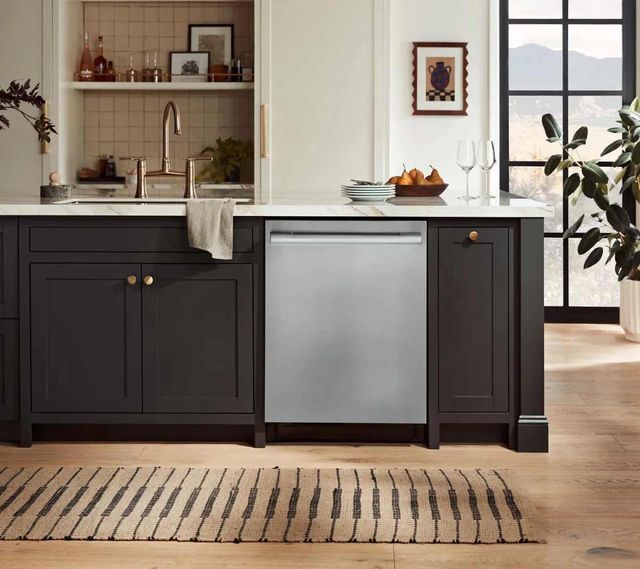
The cycle ran a full two hours and the glasses still came out wearing a cloudy gray film. There is standing water pooled in the bottom of every coffee mug, and a cereal bowl on the bottom rack still has dried oatmeal welded to one side. The machine is six years old and this is already its second repair call. That gap between what a dishwasher promises and what it actually delivers is why the best dishwasher brands are worth sorting out carefully before you replace it.
Compare Dishwashers Side by Side Before You Buy
Our team pulls the spec sheets, lines up racks and drying systems, and handles delivery, professional installation and local service after the sale. Shop online or see the models in person at our showroom.
Here is what changes the outcome. Reliability is measurable, and the specs that predict it are published before you spend a dollar. At Appliance Center, our showroom carries these brands next to each other, so racks, tub materials and door seals are simple to compare in person. This guide covers how reliability is actually measured, the specs that separate strong brands from weak ones, a brand-by-brand breakdown, a side-by-side chart, the honest trade-offs, and how installation and local service protect what you spend.
Key Takeaways
• Reliability shows up in service data, not marketing: The strongest brands post first-year service call rates in the mid single digits while the category average sits closer to nine percent, and typical dishwasher lifespan runs roughly seven to twelve years.
• Drying separates good machines from frustrating ones: Heated dry, condensation drying, fan assist and mineral drying all behave differently, and plastics are where the differences become obvious in daily use.
• Series matters more than the badge: A brand’s entry line often shares very little with its flagship line, so judge the specific series and its build rather than the name on the door.
• Installation and upkeep protect the investment: Correct leveling, a proper drain hose high loop, routine filter cleaning and consistent rinse aid use influence long-term reliability as much as the brand you choose.
What Repair Data Reveals About Dishwashers That Actually Last
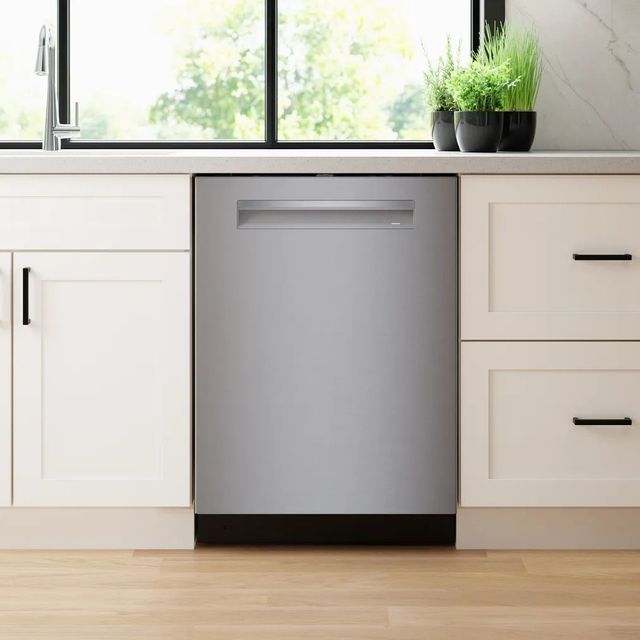
Before any brand name comes up, it helps to agree on what reliability even means. Three signals predict it better than anything printed on a hangtag, and all three are things you can research or ask about.
• Documented service call rates within the first year of ownership, which is when manufacturing and design problems surface.
• Average usable lifespan in years, measured to the point where a repair stops making financial sense.
• Parts and labor availability when something does fail, including how long a common part takes to arrive.
Retailer and repair-industry service data gives you numbers to anchor on. The strongest performing brands generally land in the mid single digits for first-year service rates, while the category average sits nearer to nine percent. Typical dishwasher lifespan runs roughly seven to twelve years. Treat those as ranges from service records rather than guarantees, because how a machine is installed and loaded moves the outcome.
The Parts That Actually Fail
Dishwashers do not fail in mysterious ways. The same short list of components accounts for most service calls:
• Circulation pumps and drain pumps.
• Control boards and user interface panels.
• Door latches, hinges and hinge cables.
• Wash motors and spray arm bearings.
• Heating elements.
• Door gaskets and tub seals.
A machine built around a stainless steel tub with a filtration-based wash system generally has fewer wear points than a hard food disposer design, because there is no grinder assembly spinning through debris on every cycle. Fewer moving parts in the sump means fewer things that can seize.
Brand Reliability and Model Reliability Are Not the Same Thing
This is the distinction almost every buying guide skips. A brand earns its reputation from its whole lineup, but you are buying one specific series. The entry series from a respected name may use a plastic tub, a simpler pump and a shorter parts list, while the flagship series from the same badge uses different engineering entirely. When you compare the best dishwasher brands, compare the series and the build, then let the brand reputation break the tie.
Read more:
How to Choose the Best Home Appliances for Your Kitchen in 2026
7 Frigidaire Refrigerator Features Homeowners Love
The Specs That Separate the Best Dishwasher Brands From the Rest
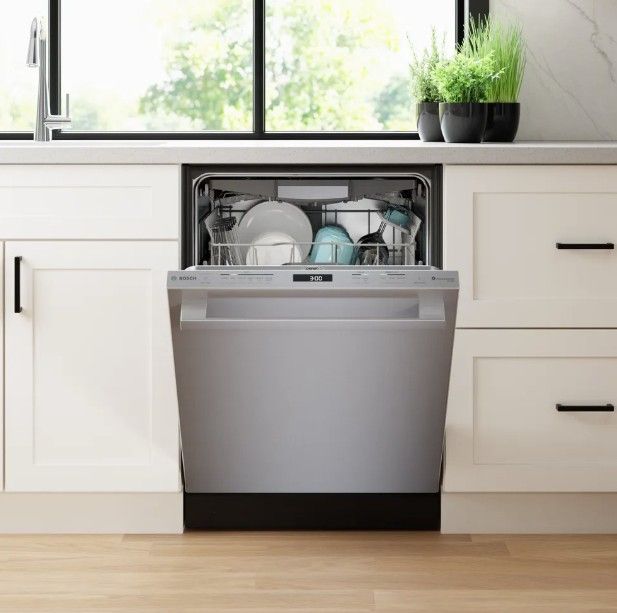
Every comparison further down this page rests on five specs. Learn what each one actually controls and the shopping gets much faster.
Noise Ratings in Plain Terms
Sound is measured in decibels, and lower is quieter. Roughly 50 to 55 dBA is clearly audible across an open kitchen. The 44 to 47 dBA range reads as background noise. At 42 dBA and below the machine is very quiet, and 38 to 40 dBA is close to silent in a working room.
Quiet comes from three places: insulation packed around the tub, the tub material itself, and pump design. Confirm the exact rating on the spec sheet, since it varies by model within the same series. Premium models often add a light projected onto the floor or a status beam, for the simple reason that you cannot hear the machine running and need some way to know.
Drying Systems
Drying is the single biggest performance difference between brands, and it is the thing most shoppers never ask about.
• Heated dry with an exposed element dries fastest and handles glass well, but it is harder on lightweight plastics that can warp or shift.
• Condensation drying uses a stainless tub and residual heat with no exposed element, which is gentler and quieter but slower on plastics.
• Fan-assisted drying moves air through the tub to speed the same process along.
• Mineral-assisted drying uses zeolite to convert absorbed moisture into heat, which is the most effective approach for plastic containers and lids.
• Auto-open door drying cracks the door at the end of the cycle to vent steam.
Rinse aid matters far more with condensation systems than with heated dry, because condensation relies on water sheeting off surfaces instead of beading up. Skipping rinse aid on a condensation machine is the most common reason a good dishwasher gets blamed for wet plastics.
Wash Action and Filtration
Filtration systems trap food particles in a removable filter. They run quieter and use less water, and they ask you to rinse the filter out every few weeks. Hard food disposers grind debris instead, which is more forgiving if plates go in barely scraped, but the grinder adds noise and one more mechanical part.
Beyond the filter, look at targeted spray zones for baked-on pans, bottle jets for water bottles and narrow vessels, a sanitize cycle for cutting boards and baby gear, and soil sensors that let an auto cycle adjust water use and run time to the actual load.
Capacity and Racking
Place setting counts on 24-inch models usually land in the low to mid teens, but the racking design decides how much of that capacity you can really use. A third rack across the top holds flatware, lids, spatulas and long serving pieces, which frees the upper rack for glassware instead of forcing a choice.
Not all third racks are equal. Some are fixed shelves, others adjust in height, and the better versions have their own spray jets. Add adjustable middle racks, fold-down tines and stemware holders and a machine that looks the same on paper loads very differently in practice.
Build, Finish and Controls
Stainless steel tubs hold heat better for condensation drying, resist staining and quiet the machine compared to plastic tubs. Finishes range from standard stainless to fingerprint resistant coatings that genuinely reduce daily wiping, plus white and black options and panel ready models that accept a custom cabinet front.
Controls sit either on the front of the door or hidden on the top edge. Top control keeps the face clean and locks curious toddlers out; front control lets you read the cycle status without opening the door. Handles come as pocket style or bar style, and ADA-height models exist for lowered counters. One expectation to set now: efficient cycles run long, often two hours or more, because lower water and energy use requires more time.
Which Dishwasher Brand Fits Your Kitchen, Budget and Standards
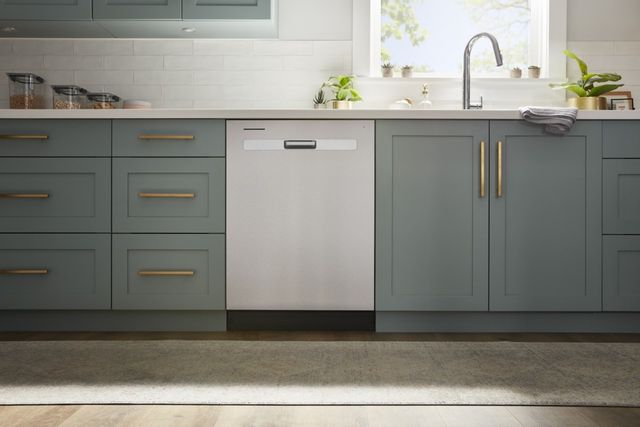
Once you know the specs, the best dishwasher brands sort themselves into clear tiers. Here is how the major names actually position themselves, without model numbers or sales talk.
Miele
Miele is the brand you buy when you intend to keep the kitchen for twenty years. Engineering standards are the highest in the residential category, with units tested against long-duration life cycles and built with a heavy emphasis on component quality. Wash and dry performance is excellent, with condensation drying supported by fan or auto-open systems depending on the series. Signature strengths include precise racking, cutlery trays and very low noise. Price positioning starts at the premium tier and climbs from there, and there is no true budget entry point.
Bosch
Bosch is the practical answer for people who want quiet and reliable without paying luxury money. Service data consistently places it near the top for low first-year repair rates. Noise ratings run from the high 30s to the mid 40s dBA across the upper series, and drying is condensation-based against a stainless tub, with mineral drying on higher lines. Signature strengths are the third rack, the flush installation profile and consistent build quality across series. Pricing spans entry through premium, which is why Bosch shows up on so many shortlists.
KitchenAid
KitchenAid is the choice for households that want dishes dry the moment the cycle ends. Drying performance is a genuine strength, using heated systems with fan assist, and the racking is heavier duty than most with sturdy tines and third-rack designs meant for real loads. Many models use a hard food disposer, which suits homes that scrape rather than rinse. Noise ratings generally sit in the high 30s to mid 40s dBA. Price positioning is mid to premium, aimed at cooks upgrading a working kitchen.
GE Profile
GE Profile earns its place on flexibility. Racking systems adjust in more directions than most competitors, which helps households that wash unusual shapes like stockpots, sheet pans and tall bottles. Fast cycle options are a real strength for families who run the machine twice a day and cannot wait two hours. Drying typically uses heated systems with fan assist, and third racks are widely available across the line. Noise ratings commonly fall in the high 30s to high 40s dBA, with pricing in the mid to premium tier.
Whirlpool
Whirlpool is dependable mainstream value with no learning curve. Controls are straightforward, cycles are named in plain language, and the machines tolerate everyday household use without complaint. Wash systems generally rely on filtration with boost or heavy options for tougher loads, and drying is heated with optional enhancements. Noise ratings usually fall in the mid 40s to low 50s dBA depending on series. Price positioning is entry to mid tier, which makes Whirlpool the practical pick for rentals, secondary kitchens and budget-conscious replacements.
Maytag
Maytag sells durability as the whole pitch, and the build reflects it. Stainless steel tubs are common across the line, wash systems lean heavy duty, and many models use a hard food disposer that handles poorly scraped plates. Long-standing warranty positioning is part of the brand identity and worth reading closely, since coverage differs by component. Drying is heated, and noise ratings generally land in the mid 40s to low 50s dBA. Price positioning is entry to mid tier with a heavier feel than the number suggests.
LG
LG builds feature-rich machines for people who like technology that earns its keep. Connectivity, steam options and auto-open door drying appear across much of the lineup, and racking is generous with third racks standard on most series. Wash systems use filtration, and noise ratings often reach the high 30s to mid 40s dBA. Interiors frequently include lighting and premium finishes. Price positioning runs mid to premium, with the upper models competing directly against traditional premium brands on both features and quiet operation.
Samsung
Samsung leans into design and interface. Finishes are strong, control layouts are modern, and steam and smart features are widely available across the range. Third racks are common, filtration is standard, and drying often combines heated and auto-open approaches depending on series. Noise ratings generally sit in the low 40s to low 50s dBA. Price positioning is mid to premium. Samsung suits kitchens where the appliance suite is chosen partly on how it looks together, which is a legitimate reason to buy.
Beko
Beko is the value alternative most shoppers have not considered yet. The brand competes on efficiency and quiet operation at prices well below the premium tier, with condensation drying, filtration wash systems and stainless tubs appearing further down the lineup than competitors offer them. Noise ratings often land in the high 30s to high 40s dBA. Third racks are available on select series. Price positioning is entry to mid tier, and the value case is strongest for households that want quiet without a premium budget.
The Parent Company Detail Nobody Mentions
Several of these brands share owners and engineering platforms, which explains why some models feel oddly familiar. Whirlpool Corporation owns KitchenAid, Maytag, Amana and JennAir. GE Appliances owns Monogram, Café and Hotpoint. LG owns Signature Kitchen Suite as its luxury line, and BSH builds Bosch alongside Thermador and Gaggenau. That shared engineering is usually good news, but it also means a step up in badge does not always mean a step up in wash system.
Service parts availability is the other thing to weigh. Mainstream brands have deep domestic parts networks, so a pump or a control board often arrives in days. Imported premium brands build superb machines but can carry longer waits on specialty components, which is exactly why buying from a retailer with an in-house service department changes the ownership experience.
Dishwasher Brand Comparison Chart: Noise, Drying, Racks and Price Tier
Read across the row that matches what you are considering, then confirm every figure against the spec sheet for the exact model before you order.
| Brand | Typical Price Tier | Noise Range in dBA | Drying Method | Third Rack Availability | Filtration Type | Best For |
|---|---|---|---|---|---|---|
| Miele | Premium | 38 to 44 | Condensation with fan or auto-open | Standard on most series | Filtration | Long-term forever kitchens |
| Bosch | Mid to premium | 38 to 48 | Condensation, mineral drying on upper series | Standard on most series | Filtration | Quiet open-concept kitchens |
| KitchenAid | Mid to premium | 39 to 47 | Heated dry with fan assist | Standard on most series | Hard food disposer on many models | Fast, thorough drying |
| GE Profile | Mid to premium | 39 to 48 | Heated dry with fan assist | Available across most series | Varies by model | Flexible racking and fast cycles |
| Whirlpool | Entry to mid | 44 to 55 | Heated dry with boost options | Available on select models | Filtration | Mainstream everyday value |
| Maytag | Entry to mid | 44 to 52 | Heated dry | Available on select models | Hard food disposer on many models | Heavy-duty daily use |
| LG | Mid to premium | 39 to 48 | Auto-open door drying on many models | Standard on most series | Filtration | Feature-rich connected kitchens |
| Samsung | Mid to premium | 42 to 51 | Auto-open and heated options | Standard on most series | Filtration | Design-matched appliance suites |
| Beko | Entry to mid | 39 to 48 | Condensation with auto-open on some | Available on select models | Filtration | Efficiency on a tighter budget |
A few things that chart is really telling you. If your kitchen opens onto a living room and the dishwasher runs while people are talking, Bosch and Miele are where noise stops being a factor. If your household washes food storage containers and kid cups every single day, prioritize mineral or fan-assisted drying rather than a longer cycle list. Whirlpool delivers the most performance per dollar in the mainstream tier, and Miele is the one worth the premium if the kitchen is meant to outlast the mortgage.
Pick the Brand That Fits Your Kitchen, Household and Water Quality
The chart narrows the field; your household narrows it the rest of the way. Find the profile that sounds like your kitchen.
• Open-concept kitchen where quiet matters most: shop the 38 to 44 dBA range, which means Bosch upper series, Miele or the quieter LG models.
• Large family with heavy soil loads: prioritize a hard food disposer or a strong filtration system with targeted spray zones, which points toward KitchenAid, Maytag or GE Profile.
• Small household focused on efficiency and low cost per cycle: a mid-tier filtration machine with a good auto cycle does more for you than a long feature list, and Beko and Bosch both fit.
• Design-driven remodel needing panel ready or custom handles: look at panel ready dishwashers from Bosch, Monogram, Signature Kitchen Suite and Miele, and confirm the panel template early.
• Rental or secondary kitchen where value and parts availability rule: Whirlpool and Maytag win on price and on how quickly a common part shows up.
Hard Water Changes the Answer
Plenty of homes run on hard water, and it quietly ruins dishwasher results. Dissolved calcium and magnesium leave the cloudy film on glassware and the chalky haze on the tub interior that people mistake for a broken machine. On hard water, four things matter more than they would elsewhere: a rinse aid dispenser you actually keep filled, any built-in water softening feature, disciplined filter cleaning, and a stainless tub that resists mineral staining. If you have a whole-home softener, mention it to our team, because it changes the detergent dose you should use.
Fit and Installation Constraints
Older homes hide surprises behind the dishwasher. Standard openings are 24 inches wide, roughly 34 inches tall and about 24 inches deep, and 18-inch compact models exist for tight kitchens and secondary spaces. Beyond width, check these:
1. Counter depth and whether the door can swing fully clear of the island or opposite cabinets.
2. Existing water supply and drain positioning relative to the manufacturer’s rear connection zone.
3. Whether local code calls for an air gap at the sink deck.
4. Hard-wire versus power cord connection, since the two are not interchangeable without a kit.
5. Whether cabinet trim or countertop removal will be needed to get the old unit out.
6. Finished floor height, because added flooring shortens the opening and blocks leveling.
Where the Budget Actually Goes
Think in tiers rather than exact prices. The entry tier gets you a working machine with a plastic or partial stainless tub and basic drying. The mid tier buys a stainless tub, quieter operation and a third rack, which is where most households feel the biggest jump. The premium tier buys the quietest operation, the best drying and the longest expected service life.
The upgrades that pay off daily are quiet operation, drying performance, a third rack and a soil sensor. The ones people rarely use are extended smart features, decorative interior lighting and specialty cycles beyond the four or five you will actually run.
Confirm Before You Order
• Opening width, height and depth measured to finished surfaces.
• Door swing clearance at full open.
• Electrical connection type and circuit availability.
• Water supply shutoff location and drain hose routing.
• Cabinet or countertop trim that has to come off.
• Delivery path width, including doorways and any stair turn.
The trade-off is real and worth stating plainly. The quietest and most reliable machines carry higher entry prices, run longer cycles and expect better loading habits from you, while mainstream machines cost less up front and tolerate rougher treatment but tend to need service sooner.
Pros
Lower documented service rates and longer usable life:
The strongest brands post first-year service call rates in the mid single digits, and a machine that reaches the top of the seven to twelve year range costs less per year of use than a cheaper unit replaced twice.
Quiet operation changes how the kitchen feels:
At 42 dBA and below you can run a load during a conversation or a movie, which matters enormously in an open floor plan where the kitchen shares air with the living room.
Better drying on plastics and stemware:
Mineral and fan-assisted drying finish lids and containers that condensation alone leaves damp, which removes the towel-drying step most households resent.
Higher efficiency per cycle:
Certified efficient models use less water and less energy per load, and that gap compounds over roughly a decade of daily washing.
Flexible racking raises real capacity:
An adjustable third rack with jets, fold-down tines and stemware holders lets you fit a full day of dishes into one load instead of two.
Cons
Higher up-front cost with a slower payback:
Premium machines take years of use before efficiency and durability offset the price gap, so the workaround is honest math on how long you plan to stay in the home before you step up a tier.
Premium designs ask more of you:
Longer cycle times, routine filter cleaning, consistent rinse aid and occasional waits on specialty parts come with the territory, and the workaround is scheduling the wash overnight, cleaning the filter monthly and buying from a retailer that stocks parts locally.
If you plan to stay put and cook often, the premium trade-offs favor you clearly. If the machine is going into a rental or a house you expect to sell soon, the mainstream tier is the smarter money.
Read more:
How to Choose Between a Front Door vs Top Door Washing Machine
Top Furniture and Mattress Trends to Upgrade Your Home Comfort
Keep Any Dishwasher Running Cleaner and Longer After It Is Installed
Installation quality influences long-term reliability as much as the badge on the door. A dishwasher that sits unlevel puts uneven load on the door hinges and the tub seal, and a machine that is not secured to the countertop or side cabinets can tip forward when a loaded rack rolls out. Correct water line connection, a properly routed drain hose and a leak check before the first full cycle prevent the failures that get blamed on the manufacturer years later.
Here is the one detail our installers never skip: the drain hose gets fastened in a high loop to the underside of the countertop, as high as it will reach and generally around 20 inches above the floor, because a loop that sags below the sink drain lets dirty water siphon back into the tub and leaves standing water in the bottom of every cycle.
The Maintenance Routine That Actually Matters
1. Pull and rinse the filter on a set schedule, monthly for most households and more often if you scrape lightly.
2. Wipe the door gasket and the door edges where food and film collect.
3. Run a dishwasher cleaner or a vinegar cycle periodically to clear mineral buildup.
4. Keep the rinse aid reservoir filled, especially on condensation drying machines.
5. Check the spray arm holes for seeds, labels and debris that block spray patterns.
6. Scrape plates instead of pre-rinsing, since soil sensors need something to detect.
7. Load so tall items and cutting boards do not block the upper spray arm.
Detergent, Water and Loading
Pods are convenient and dose consistently, but they release on a fixed schedule that does not always match a long cycle. Powder lets you increase the dose for hard water or a heavy load, which is a real advantage in mineral-heavy areas. Gel is the gentlest and the weakest on baked-on soil. Hard water simply requires more detergent action to get the same result, so a dose that works fine elsewhere may leave film in your kitchen.
Overloading is the most common cause of poor cleaning that gets blamed on the machine. Water has to reach every surface, and a rack packed edge to edge blocks the spray before it ever gets there.
What a Local Retailer Adds
Buying from an independent retailer changes what happens after the truck leaves. Professional installation means the unit is leveled, secured, connected and leak-tested by people who do it every day, and haul away means the old machine leaves with them. You also get one point of contact for a warranty claim instead of a phone tree, and our service department stocks common parts for the brands we sell. When comparing the best dishwasher brands, factor in who fixes it, because that decides how a bad week actually goes. Warranty coverage differs by brand and by component, so register the unit and keep proof of purchase to protect the claim.
The Four Numbers That Should Decide Your Dishwasher Before Any Brand Does
Most shoppers start with a brand and work backward to whether it fits their life, which is exactly the wrong order. Before you compare a single model, write down four numbers that describe how your household actually uses a dishwasher. They take five minutes to gather and they eliminate most of the market instantly, because each one maps directly to a spec: loads per week points to durability tier, sitting distance points to a decibel target, plastic share points to a drying system, and water hardness points to rinse aid and tub material. Bring those four numbers with you and the conversation stops being about brands and starts being about fit.
• Loads per week: under four means a mid-tier machine will last a long time, while ten or more pushes you toward premium pumps and heavier racking.
• Distance in feet from the dishwasher to the nearest place people sit and talk: under 15 feet in an open plan means you should be shopping at 44 dBA or below, not just reading the number.
• Share of a typical load that is plastic: if lids, containers and kid cups make up a third or more, mineral or fan-assisted drying is the upgrade that matters most.
• Water hardness in grains per gallon from your utility report or a test strip: above roughly 7 grains, a rinse aid dispenser, a stainless tub and a softening feature move from optional to necessary.
• Tallest item you wash regularly, measured in inches: stockpots and pitchers determine whether you need an adjustable middle rack or a fixed one will do.
Read more:
Best Furniture for a Small Living Rooms: 7 Top Picks
Shop Standout Models From the Best Dishwasher Brands
These seven models span entry, mid and premium tiers across four brands, and they line up with everything covered above. Bosch appears four times here for the same reason it keeps surfacing in service data and quiet ratings, not because the list ran short. Our showroom lets you pull the racks, feel the door action and compare tub finishes before you commit, and our team can pull any spec sheet you want to see.
Bosch 100 Series 24” Custom Panel Built-In Dishwasher
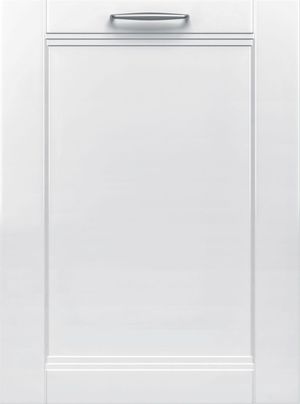
When the kitchen budget is spoken for but the cabinet run still needs to look continuous, this is the model that solves it. The custom panel front accepts a door from your cabinet shop, so the dishwasher reads as cabinetry instead of appliance, at the 100 Series entry price rather than a luxury tier. Bosch reliability and condensation drying against a stainless tub come along with it. Get the panel template and the weight range from us before your cabinet maker cuts anything, since panel specs are model specific and never interchangeable between brands.
Top Features
• Custom panel front: Takes a cabinet door so the machine disappears into the run instead of interrupting it.
• Entry-tier integrated look: Delivers the hidden-appliance result without stepping into the premium price bracket.
• Bosch build quality: Comes from the brand that consistently posts low first-year service call rates.
• Panel template needed early: The cabinet shop needs the manufacturer template and weight range before cutting.
Bosch 100 Series 24” White Top Control Built-In Dishwasher

White kitchens and rental units both have the same problem: stainless looks wrong against white cabinets, and a cheap machine costs you a service call. This one answers both. The white finish matches a classic or cottage kitchen properly, and the top control layout keeps the door face clean while putting the buttons out of reach of small hands. As covered earlier, top control means you check cycle status by opening the door. For a landlord or a second kitchen, Bosch dependability at 100 Series pricing is a sensible place to land.
Top Features
• True white finish: Matches white and painted cabinetry instead of fighting it the way stainless does.
• Top control layout: Buttons sit on the top edge of the door, clean from the front and out of reach of toddlers.
• Rental-friendly reliability: Low expected service rates matter most when you are not the one calling about it.
• Entry-series pricing: Bosch engineering at the most accessible point in the lineup.
Monogram Statement 24” Stainless Steel Built-In Dishwasher
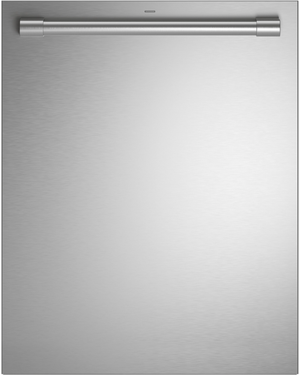
For a fully specified luxury kitchen where the range and refrigerator already set the standard, the dishwasher should not be the piece that gives it away. Monogram is the top of the GE Appliances family, and the Statement collection is built to sit beside professional-style cooking equipment without looking out of place. The stainless tub supports the drying behavior described earlier and resists mineral staining in hard water homes. Worth seeing in person for the handle detail and interior finish, both of which read very differently on a spec page than they do in the room.
Top Features
• Statement collection design: Built to match professional-style Monogram ranges and refrigeration in a fully specified kitchen.
• Stainless steel tub: Holds heat for better drying and resists the mineral staining hard water leaves behind.
• Luxury-tier construction: The premium end of the GE Appliances family rather than a badge-only upgrade.
• Worth seeing in person: Handle profile and interior finish are hard to judge from photographs.
Signature Kitchen Suite 24” Stainless Steel Top Control Built-In Dishwasher
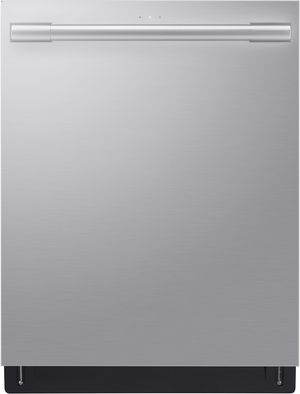
Serious home cooks building a true chef’s kitchen usually want the appliance suite to speak one design language, and this is LG’s luxury line for exactly that job. Top control keeps the stainless face uninterrupted, which matters when the dishwasher sits in a long run of professional-grade equipment. The stainless tub and premium build put it in the tier where drying and noise stop being compromises. If you are weighing it against Monogram or Miele, come compare the racking systems directly, because that is where the three brands differ most in daily use.
Top Features
• Luxury suite matching: LG’s premium line, designed to coordinate with professional-style ranges and refrigeration.
• Top control face: No buttons or display interrupting the stainless front in an open sight line.
• Premium tier build: Stainless tub and upper-tier construction where quiet and drying are both strengths.
• Compare the racking: The clearest difference between luxury brands shows up in how the racks adjust.
Bosch 800 Series 24” Stainless Steel Top Control Built-In Dishwasher
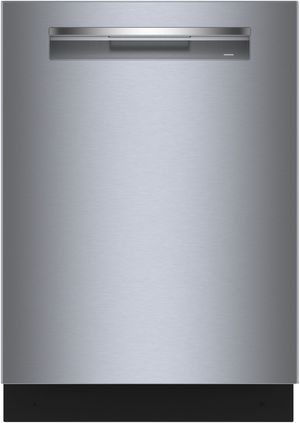
If the kitchen opens onto the room where everyone sits, this is the step-up tier that fixes it. The 800 Series is where Bosch puts its quietest operation and its strongest drying, which is the combination that matters for the household described at the top of this article, the one pulling filmy glasses and wet lids out of a six-year-old machine. The stainless tub supports condensation drying, and the top control face keeps the front clean. Ask us for the exact decibel rating on this model before you decide.
Top Features
• Step-up 800 Series tier: Bosch positions this line above the 100 and 300 Series for quiet operation and drying.
• Built for open floor plans: The tier to shop when the kitchen shares space with the living room.
• Stainless steel tub: Supports condensation drying and resists staining from hard water minerals.
• Confirm the sound rating: Decibel figures vary by model within a series, so check the spec sheet.
Bosch 800 Series 24” Stainless Steel Top Control Built-In Dishwasher
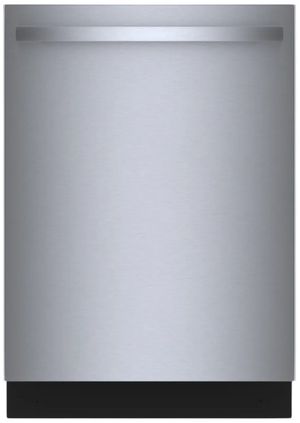
Worth knowing before you shop: the 800 Series comes in more than one model variation, and this listing is a different variation from the one above it. The differences show up in handle style, control detail and installation specifics rather than in tier. For a straight replacement in an existing 24-inch opening, that variation matters, since handle projection and door clearance decide whether the machine clears an island. Compare the two product pages side by side, or ask our team which variation suits your opening and your cabinet fronts.
Top Features
• A second 800 Series variation: The same step-up tier offered in more than one configuration, so compare the pages.
• Replacement-friendly sizing: Standard 24-inch built-in footprint for a straight swap in an existing opening.
• Handle and clearance differences: Projection at the door affects walkway room in a galley or island kitchen.
• Ask before you order: Our team can confirm which variation fits your opening and cabinet style.
Whirlpool 24” Finger Print Resistant Stainless Steel Built-In Dishwasher with Boost Cycle and Triple Filtration Wash
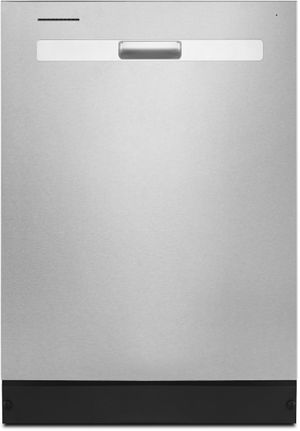
Busy households with kids, fingerprints on everything and a budget that has limits will find this the practical answer. The fingerprint resistant stainless finish genuinely cuts down on daily wiping, and the triple filtration wash system handles food particles without the noise of a grinder, exactly as described in the filtration section above. The boost cycle gives you a shorter run when dishes are needed back quickly. This is the mainstream value tier done well, and it is the pick when parts availability and price matter more than the last few decibels.
Top Features
• Fingerprint resistant finish: Cuts down on the daily wiping a standard stainless face demands in a busy kitchen.
• Triple filtration wash: Traps food particles quietly instead of grinding them, with a filter you rinse periodically.
• Boost cycle: Shortens the run when a load is needed back before the usual two-hour cycle finishes.
• Mainstream value tier: Strong price and wide parts availability for families and secondary kitchens.
Compare the Best Dishwasher Brands in Person and Buy With Confidence
Reliability tracks with service data and build quality rather than marketing claims, and the drying system and decibel rating shape daily satisfaction far more than the number of cycles on the panel. The right choice matches the brand tier to how your household actually loads and to your water quality. Come see the best dishwasher brands in our showroom and compare racks, tubs and door seals side by side, or shop the full lineup online. Our team explains real spec differences instead of reading tags, we offer financing and professional installation with haul away, and our in-house service department stands behind the sale locally.
Frequently Asked Questions About the Best Dishwasher Brands
Miele and Bosch consistently post the lowest first-year service call rates in retailer and repair-industry data, with Miele engineered for the longest service life and Bosch close behind at a lower entry price. Reliability still varies by series, so compare the specific model line and its build rather than the badge alone.
A dishwasher should last roughly seven to twelve years with normal household use, and premium models with stainless tubs tend to reach the upper end of that range. Routine filter cleaning, level installation and moderate loading habits influence lifespan as much as the brand on the door.
A rating of 44 dBA or below counts as quiet, and 42 dBA or lower reads as background noise in a working kitchen. Ratings from 50 to 55 dBA are clearly audible across an open kitchen, which matters most when the kitchen shares space with a living room.
Miele and the upper Bosch series dry best because they pair a stainless tub with mineral or fan-assisted drying that finishes plastics rather than leaving them beaded with water. KitchenAid also performs strongly using heated drying with fan assist, though heat is harder on lightweight plastic containers.
A third rack is worth the money for households that wash a lot of flatware, lids, small bowls and long serving pieces, because it frees the upper rack for glassware instead of forcing a trade. It matters less for small households that rarely fill the machine, where the same money buys better drying or quieter operation.
Premium dishwasher brands are worth it when quiet operation, dependable drying and a longer service life will be enjoyed for a decade or more in the same kitchen. If a move or a remodel is likely within a few years, a strong mainstream model delivers most of the daily performance for far less money.
Why Trust Appliance Center?
Appliance Center is a trusted destination for quality home solutions, offering top appliances, mattresses, and furniture to help you upgrade every room in your home. Our commitment is simple: deliver reliable products, competitive pricing, and exceptional customer service.
Shop Furniture & Mattresses at Appliance Center
At Appliance Center, the customer always comes first. Our knowledgeable team is ready to help you find everything you need for your home with ease and confidence.